
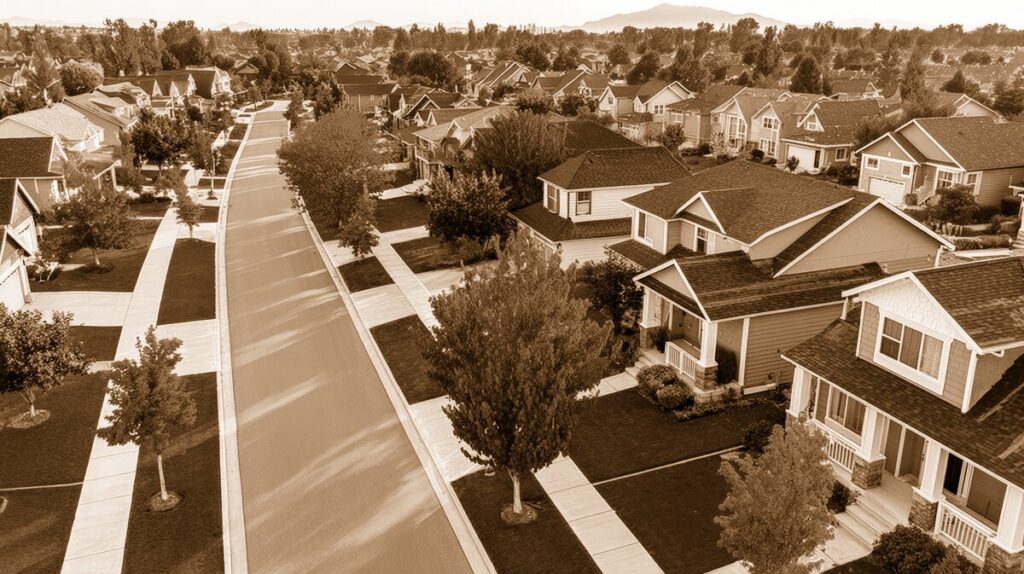
If you’ve ever wandered the winding roads of Northwest Harwich, you’ll have sensed it—something special floats in the salty breeze. Beyond its peaceful neighborhoods and welcoming faces, Northwest Harwich holds a captivating story that stretches back centuries. This is more than just another beautiful corner of Cape Cod; it’s a place where history lives in the clapboard houses, lingers on main streets, and is cherished by all who call it home.
The Origins of Northwest Harwich
Long before it boasted meticulously cared-for homes and lush parks, Northwest Harwich was a tapestry of woodlands and wetlands, traversed by the indigenous Wampanoag people. The first European settlers arrived in the late 1600s. Officially, Harwich was incorporated in 1694, and Northwest Harwich gradually took shape as one of its key precincts.
The neighborhood’s name stems simply from its location: it occupies the northwest quadrant of the larger Harwich township. But don’t let the straightforward name fool you—Northwest Harwich became the gateway for much of the community’s early development, spreading out from charming crossroads like those along Main Street (also known as Route 28) and Great Western Road.
Milestones Through the Ages
Over the years, Northwest Harwich has played its role in the unfolding Cape Cod story. It grew steadily through the 18th and 19th centuries, with family farms, cranberry bogs, and water-powered mills laying the economic foundation.
- In the 1800s, the expansion of the cranberry industry, much of it centered along Depot Street and the surrounding bogs, brought new prosperity to the district.
- The construction of the Cape Cod Railroad in the 1850s, and Harwich Station in nearby West Harwich, spurred growth and connected Northwest Harwich to Boston and beyond.
- By the early 1900s, summer visitors discovered the area’s appeal—sparkling freshwater ponds, quiet woodlands, and a refreshing distance from the busier town centers.
As decades passed, Northwest Harwich gracefully transitioned from a largely agricultural landscape to a more residential haven, all while cherishing its old Cape Cod charms.
Notable Landmarks and Institutions
One of Northwest Harwich’s greatest gifts is the array of historical and cultural landmarks, many tucked along familiar roads or nestled behind old stone walls.
- The Harwich Center Historic District: While technically shared with central Harwich, many of the district’s preserved homes and buildings spill into the northwest, particularly near Parallel Street and Main Street. These structures, some dating back to the 18th century, remain visual reminders of the village’s early days.
- Brooks Free Library: Just off Main Street, this stately library has been a cultural touchstone since 1897. Generations of families have come here for everything from research to children’s storytime.
- First Congregational Church of Harwich: With its striking white steeple along Main Street, this church has been standing since the 1840s—its bells ringing out for Sunday worship, holidays, and local celebrations alike.
- Cranberry Bogs and Trails: Stretching out along Depot Street and Great Western Road, these working bogs are living relics. In autumn, the brilliant crimson harvest and ongoing bog tours offer both beauty and lessons in a proud agricultural tradition.
- Bell’s Neck Conservation Lands: Between Main Street and the Herring River, these 259 acres represent one of Cape Cod’s ecological treasures. With scenic walking trails and old stone bridges, Bell’s Neck has brought generations outdoors—to fish, birdwatch, or simply breathe in the salt air.
The Streets That Tell Stories
Some neighborhoods measure history in buildings; Northwest Harwich measures it street by street.
- Main Street (Route 28): This major artery is both a thoroughfare and a timeline, lined with historical homes, family-owned shops, and community gathering spots.
- Lothrop Avenue: Named after one of Harwich’s founding families, this street connects neighborhoods and provides glimpses of Cape Cod’s architectural legacy.
- Depot Street: Here you’ll find a powerful blend of the old and new: updated homes alongside ancient cranberry bogs that have been cultivated for over 150 years.
- Great Western Road: Once a horse-and-cart trail, it’s now a key connector, running past old farmsteads and offering direct access to the Bell’s Neck trails.
Evolution and Community Spirit
Today, Northwest Harwich is a vibrant reflection of its history. Modern neighborhoods like Pleasant Lake and smaller pockets along the Herring River cater to young families, retirees, and longtime residents alike. New businesses blend with old favorites, giving Main Street a lovely mix of Cape tradition and contemporary flavor.
Seasonal events—farmers’ markets in the summer, cranberry festivals in October, Christmas parades down Main—continue to foster the close-knit spirit that makes Northwest Harwich more than an address, but a real home.
The legacy of participation is strong: neighbors come together to care for shared spaces like the Schoolhouse Road fields or to preserve natural wonders, such as by volunteering with the Harwich Conservation Trust. The bells of the First Congregational Church still chime, and the reading room in the Brooks Free Library still welcomes the next generation under the watchful eye of local historians.
What Makes Northwest Harwich Special
If you ask longtime residents what makes Northwest Harwich so beloved, the answers echo a familiar refrain: it’s the blending of heritage with hospitality. There is pride in cultivating the old, from the carefully preserved cranberry bogs to lovingly maintained homes on Lothrop Avenue, and joy in embracing the new as families from around the region join the community.
It’s a place where the past enhances the present—where children play along West Gate Road knowing their school sits near land worked for generations, and where every autumn drives past floats of crimson cranberries offer delicious reminders of the neighborhood’s roots.
Whether it’s the historic feel of Main Street, the wind-rippled beauty of Bell’s Neck, or the reassuring sense of belonging, Northwest Harwich is not just a neighborhood—it’s a living, breathing piece of Cape Cod’s heart.